...open your hearts to the Spirit...
- 4 hours ago
- 5 min read

“14 But Peter, standing with the eleven, raised his voice and addressed them: ‘Men of Judea and all who live in Jerusalem, let this be known to you, and listen to what I say. 15 Indeed, these are not drunk, as you suppose, for it is only nine o’clock in the morning. 16 No, this is what was spoken through the prophet Joel:
17 ‘In the last days it will be, God declares, that I will pour out my Spirit upon all flesh, and your sons and your daughters shall prophesy, and your young men shall see visions, and your old men shall dream dreams.
18 Even upon my slaves, both men and women, in those days I will pour out my Spirit; and they shall prophesy.
19 And I will show portents in the heaven above and signs on the earth below, blood, and fire, and smoky mist.
20 The sun shall be turned to darkness and the moon to blood, before the coming of the Lord’s great and glorious day.
21 Then everyone who calls on the name of the Lord shall be saved.’
22 ‘You that are Israelites, listen to what I have to say: Jesus of Nazareth,
a man attested to you by God with deeds of power, wonders, and signs that God did through him among you, as you yourselves know — 23 this man, handed over to you according to the definite plan and foreknowledge of God, you crucified and killed by the hands of those outside the law. 24 But God raised him up, having freed him from death, because it was impossible for him to be held in its power. 25 For David says concerning him, ‘I saw the Lord always before me, for he is at my right hand so that I will not be shaken; 26 therefore my heart was glad, and my tongue rejoiced; moreover, my flesh will live in hope. 27 For you will not abandon my soul to Hades, or let your Holy One experience corruption. 28 You have made known to me the ways of life; you will make me full of gladness with your presence.’
29 ‘Fellow Israelites, I may say to you confidently of our ancestor David that he both died and was buried, and his tomb is with us to this day. 30 Since he was a prophet, he knew that God had sworn with an oath to him that he would put one of his descendants on his throne. 31 Foreseeing this, David spoke of the resurrection of the Messiah, saying,
‘He was not abandoned to Hades, nor did his flesh experience corruption.’
32 This Jesus God raised up, and of that all of us are witnesses. 33 Being therefore exalted at the right hand of God, and having received from the Father the promise of the Holy Spirit, he has poured out this that you both see and hear. 34 For David did not ascend into the heavens, but he himself says,
‘The Lord said to my Lord, ‘Sit at my right hand,
35 until I make your enemies your footstool.’
36 Therefore let the entire house of Israel know with certainty that God has made him both Lord and Messiah, this Jesus whom you crucified.’
37 Now when they heard this, they were cut to the heart and said to Peter and to the other apostles, ‘Brothers, what should we do?’ 38 Peter said to them, ‘Repent, and be baptized every one of you in the name of Jesus Christ so that your sins may be forgiven; and you will receive the gift of the Holy Spirit. 39 For the promise is for you, for your children, and for all who are far away, everyone whom the Lord our God calls to him.’ 40 And he testified with many other arguments and exhorted them, saying, ‘Save yourselves from this corrupt generation.’ 41 So those who welcomed his message were baptized, and that day about three thousand persons were added. 42 They devoted themselves to the apostles’ teaching and fellowship, to the breaking of bread and the prayers” Acts 2:14-42.
Today, dear friends, we are invited to look at Peter. If you are wondering if being a Christian makes a difference in your life, look at Peter. A man with just a little education. A commercial fisherman who has been changed by Jesus Christ. He is now preaching about the outpouring out of the Holy Spirit as the fulfillment of prophecy and concludes with a further reference to the same event (2:33). He is trying to explain the significance of the Pentecost event by tracing the gift of the Holy Spirit back to Jesus. He tells us that Jesus was “rejected by the Jews, but raised from the dead by God” (see vv.23&32). The primary reaction of the crowd to Pentecost was one of incomprehension. The crowds were very naturally at a loss to know what was happening, and this situation created the opportunity for Peter to address them and explain what it was all about.
The resurrection of Jesus and the pouring out of the Holy Spirit both testified that Jesus was the Lord and Messiah. When the audience demanded to know what this implied, Peter urged them to be baptized in the name of Jesus so that their sins might be forgiven and they might share in the gift of the Spirit which was freely promised to them. Many responded to Peter’s appeal and began to share in a new way of life.
Peter calls for the people of Israel, who claimed to be God’s people, to direct their attention back to Jesus, the man of Nazareth, who had been marked out by God to them through the various miracles and signs which God had performed publicly through Him. Peter claims that his audience are well aware of the miracles of Jesus. The most important is spoken in verse 32: “This Jesus God raised up, and of that all of us are witnesses.” Peter goes on to argue that it could not be otherwise that Jesus is the Savior and Lord of all because it was not possible for Jesus to be held by death. God raised Jesus from the dead! If we ask why death could not hold back Jesus, Peter’s reply is that Jesus was the Messiah, and that the Messiah could not be held back by death. In verse 22 Peter says that “Jesus of Nazareth was a man attested to you by God with deeds of power, wonders, and signs that God did through Him among you, as you yourselves know!”
Finally, Luke records what happened to the new converts. Four activities are listed in which they took part. These are four elements which characterized a Christian gathering in the early church. First, there was the teaching given by the apostles, who were qualified for this task by their companionship with Jesus. Second, there was fellowship which really means ‘sharing’, specifically the sharing of a common meal. Third, there was the breaking of bread. This is Luke’s term for what Paul calls the Lord’s Supper. It refers to a meal that gained peculiar significance for Christians in view of Jesus’ action at the Last Supper and also when He fed the multitudes (Luke 9:16; 22:19; 24: 30; Acts 20: 7, 11). This is a fellowship meal, perhaps a continuation of the meals held with the risen Lord, an early Palestinian name for the Lord’s Supper in the proper sense. Finally, there is mention of prayers, the way the Christians observed the set Jewish hours of prayer.
Luke concludes saying “41…those who welcomed Peter’s message were baptized, and that day about three thousand persons were added. 42 They devoted themselves to the apostles’ teaching and fellowship, to the breaking of bread and the prayers” Acts 2:41-42. Four essential elements in the religious practice of the Christian church, and Peter was quickly becoming the leader of them!
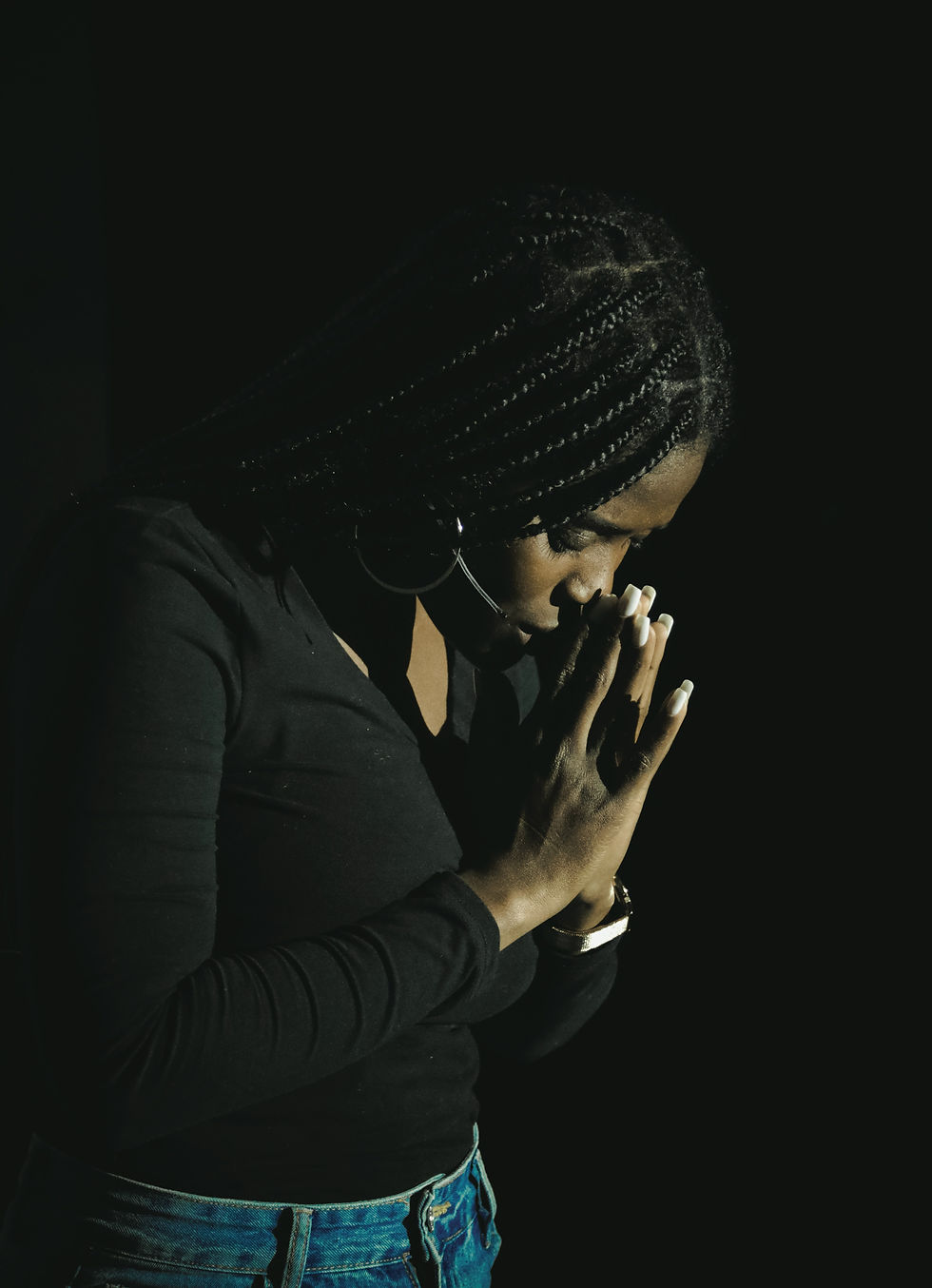
So, open your hearts to the presence and power of the Holy Spirit in your life. Stay in the Word and in Prayer.
Lord Jesus Christ, Son of the Living God, have mercy on me a sinner.


Comments